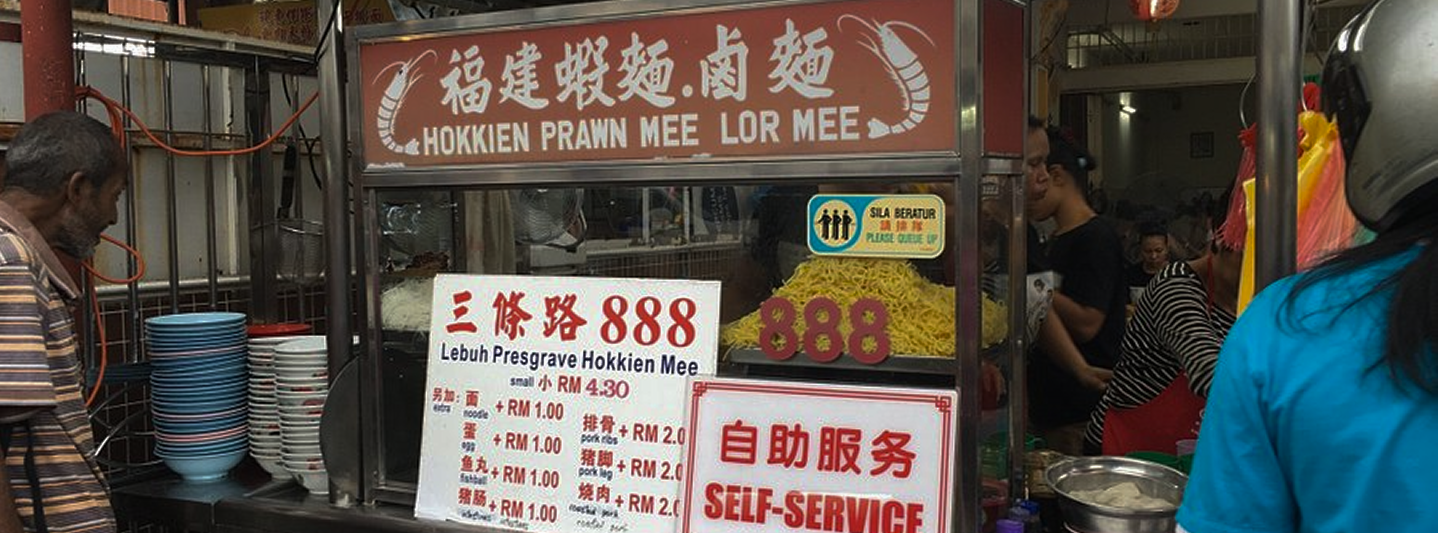
Penang's Hokkien Mee isn't just another bowl of noodles — it's a beloved classic that captures the island's rich street food culture in every steamy, flavorful slurp. Often found at bustling hawker stalls and late-night corners, this dish is a daily favorite for many locals and a must-try for visitors hunting for that unforgettable Penang taste. With its deep, aromatic broth and comforting combination of noodles, it's the kind of dish that warms you up and keeps you coming back. From early mornings to supper cravings, Hokkien Mee is always a good idea — a true staple in PenangFoodie's food story.
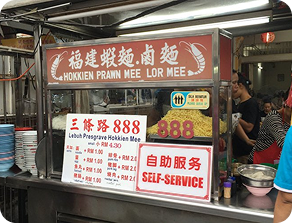
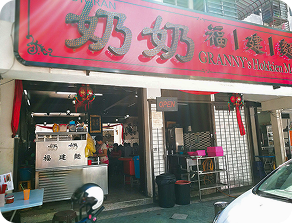
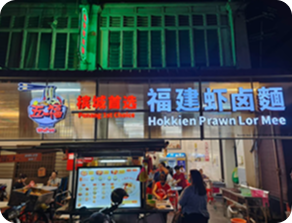
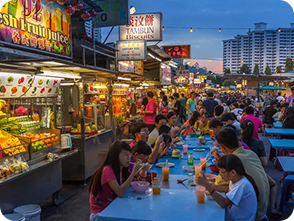
Penang Hokkien Mee is one of Penang's most iconic noodle dishes, but its origin story is often unknown to visitors. The dish traces back to the early 20th century when Hokkien (Fujianese) immigrants from China brought their traditional prawn noodle soup recipes to Penang.
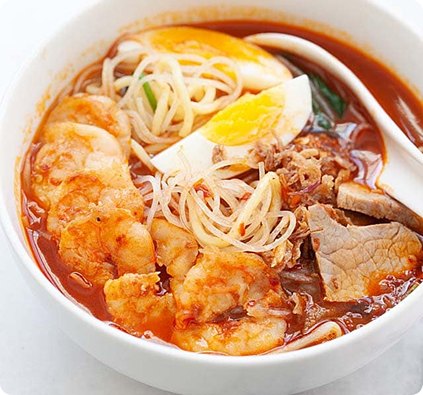
Penang Hokkien Mee is one of Penang's most iconic noodle dishes, but its origin story is often unknown to visitors. The dish traces back to the early 20th century when Hokkien (Fujianese) immigrants from China brought their traditional prawn noodle soup recipes to Penang.
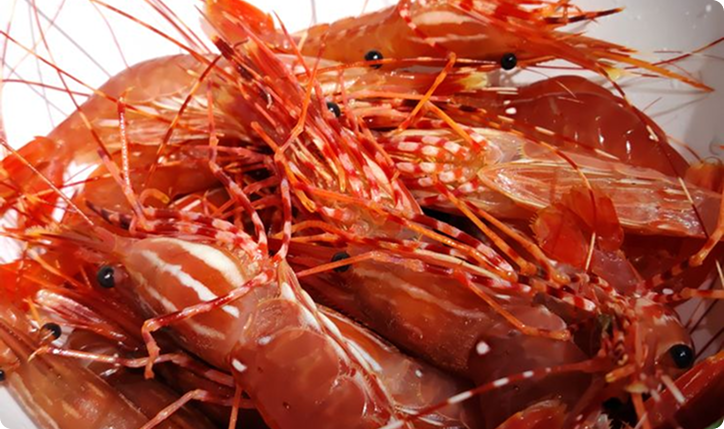
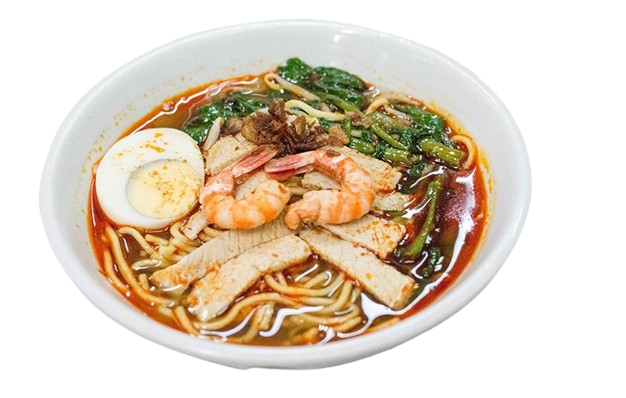
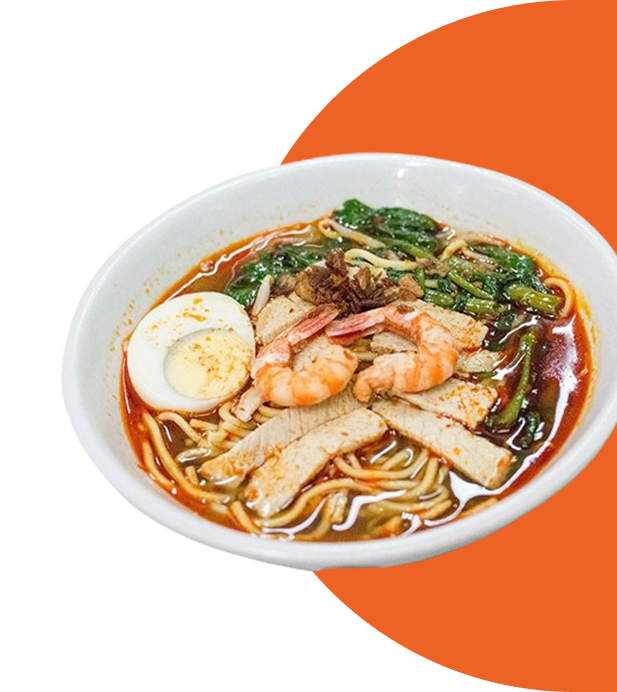
Unlike the dry noodles popular in Fujian, Penang's version developed into a rich, flavorful soup made from prawn shells, prawn heads, pork bones, garlic, onions, and chili, slowly simmered to produce a fragrant, slightly spicy broth. Common toppings include fresh prawns, sliced pork, hard-boiled egg halves, bean sprouts, and kangkung (water spinach), with chili paste served on the side.
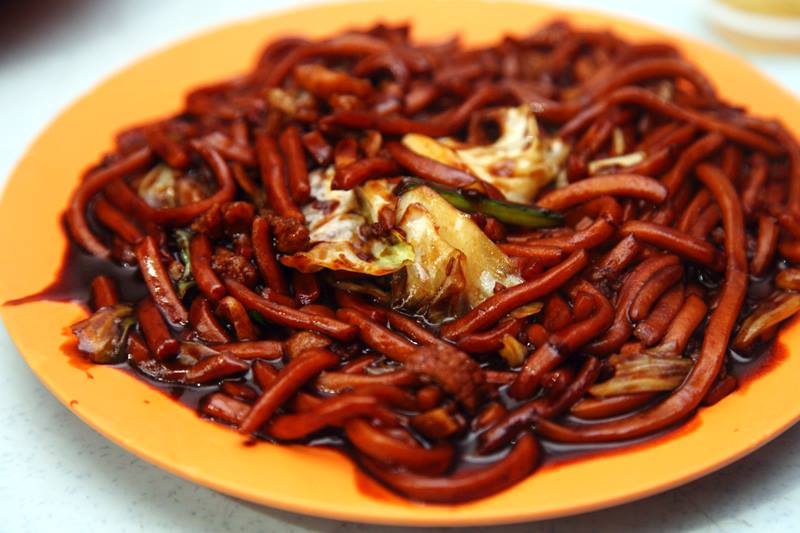

In Penang, "Hokkien Mee" means this prawn noodle soup
But in Kuala Lumpur, "Hokkien Mee" refers to a dark soy sauce fried noodle dish — same name, completely different taste.

This dish represents the perfect blend of immigrant traditions and local Penang flavors — a symbol of cultural adaptation and culinary creativity.